Glock barrels: drop-in vs gunsmith fit, lockup and accuracy
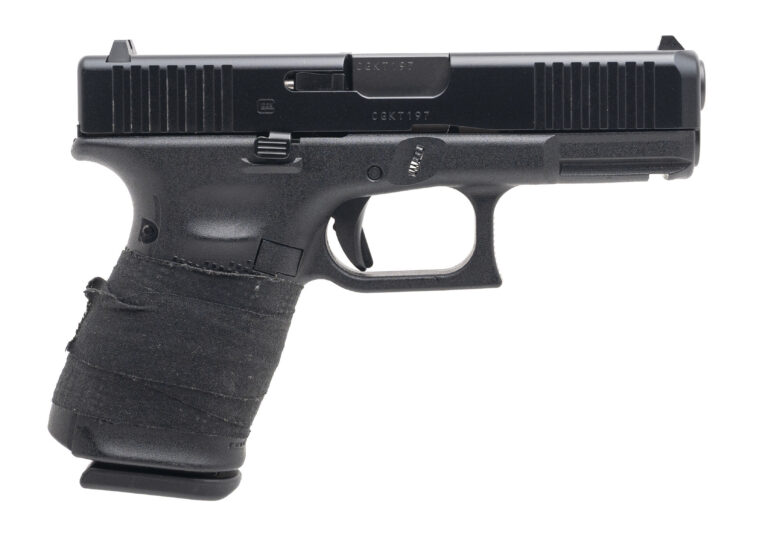
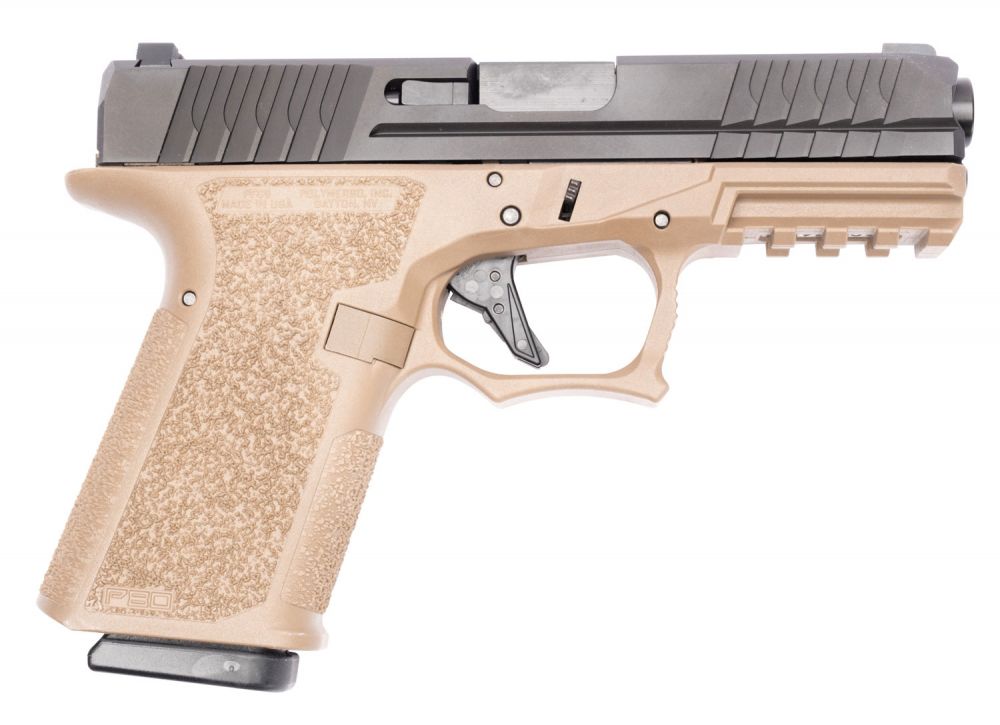
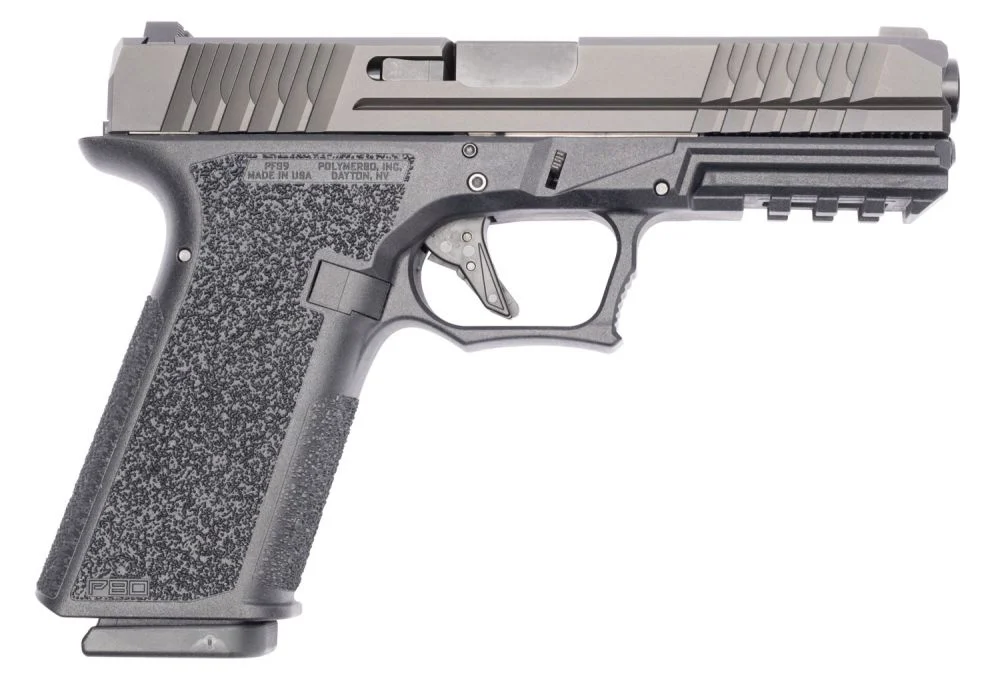
A Glock barrel does more than hold the bullet straight. Its hood locks into the slide's ejection port, its lug cams on the locking block, and how consistently those two surfaces land decides how well the pistol groups. Aftermarket barrels are sold as drop-in or gunsmith fit, and the words mean something specific. This guide explains how the barrel locks up, what each kind of fit gives up and gains, how to choose, and how to check a new barrel before you trust it.
How the barrel locks up
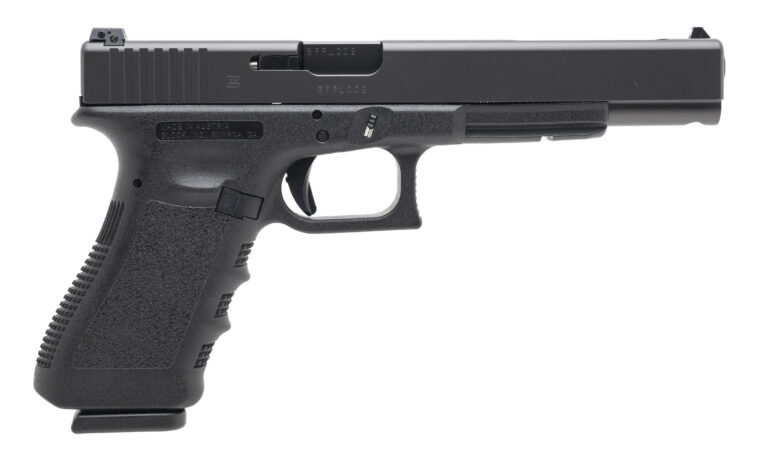
At rest the barrel sits high in the slide with the top of its hood, the squared block behind the chamber, pressed against the front of the ejection port. In recoil the slide and barrel move back together until the barrel's lug hits the cam surface on the locking block, which pulls the barrel down and unlocks it from the slide; the slide continues, ejects and returns, picking the barrel up and pushing it back into the port. Three surfaces decide consistency: the hood against the port, the lug against the block, and the barrel's outside against the slide's bore at the muzzle. Tighter and more repeatable at those three means the barrel returns to the same place every shot.
Drop-in fit
A drop-in barrel is made to factory tolerances or slightly tighter and fits any slide of its model and generation without work. The factory barrel is a drop-in barrel. Good aftermarket drop-ins hold a hair tighter at the hood than factory and group a little better; bad ones are loose and group worse. For a carry pistol, drop-in is the only sensible choice, because it is guaranteed to go into battery with the ammunition you carry.
Gunsmith fit
A gunsmith-fit barrel is left oversized at the hood, and sometimes at the lug and the muzzle, so a gunsmith can file it to your slide with a few thousandths of clearance. The result is the tightest lockup the slide will allow and the best accuracy the barrel can give, at the cost of the fitting and a barrel that is fitted to one slide. Reliability is fine when the fitting is done right and poor when it is done tight; a match gun can tolerate a fitted barrel that needs clean ammunition, a carry gun cannot.
What fit does for accuracy
In a rest, a factory Glock 19 typically groups around three to four inches at 25 yards; a drop-in match barrel takes that to two and a half to three; a gunsmith-fit barrel to two or a little under, with good ammunition. In the hand, at seven yards, none of that is visible. Fit matters to competitors shooting small targets at distance and to hunters; for everyone else, the factory barrel is accurate enough and the money is better spent on sights and practice.
Factory versus aftermarket
Factory barrels through Gen 4 are hammer-forged with polygonal rifling, which lasts a very long time and is not recommended for bare lead bullets. The Gen 5 Marksman Barrel has conventional rifling and a target crown. Aftermarket barrels are almost all conventionally rifled stainless, which shoots lead and takes a coating well. Buy aftermarket for threads, for lead bullets, for a second caliber or for a match gun; keep the factory barrel for everything else, and keep it in the box either way.
Threaded and conversion barrels
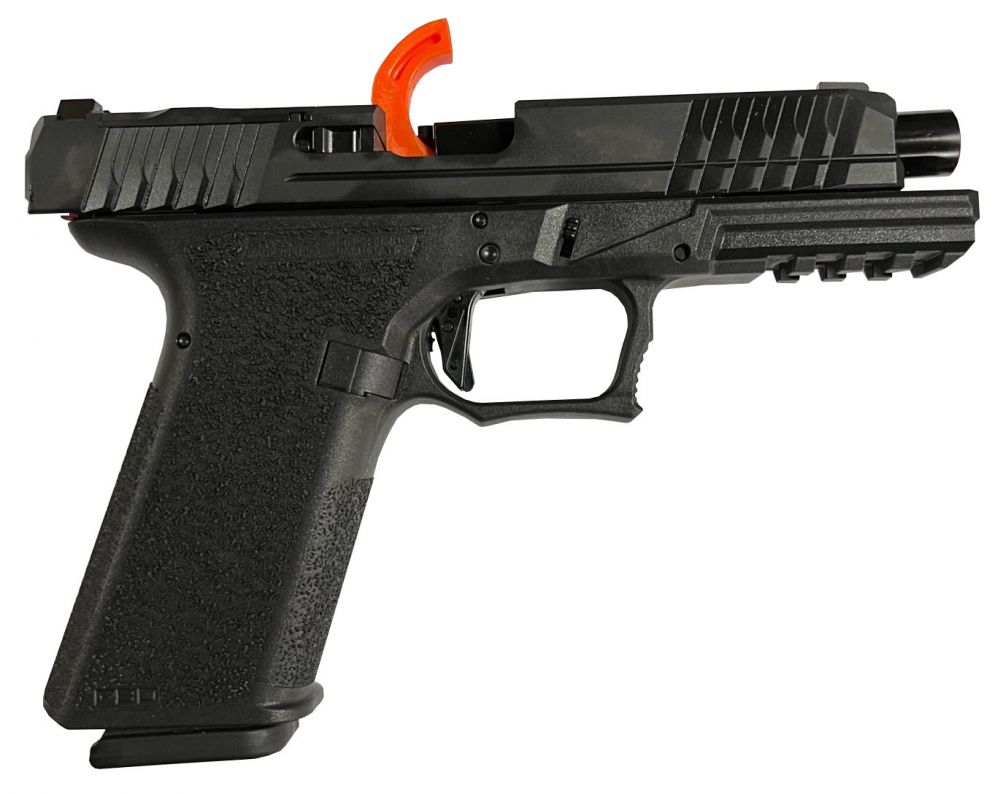
Threaded barrels carry 1/2x28 threads in 9mm on a muzzle extended about half an inch, for a compensator or suppressor; a few states restrict them and the checkout will tell you. Conversion barrels let a .40 S&W or .357 SIG Glock shoot 9mm with 9mm magazines, and a 10mm shoot .40; the reverse does not exist. Both are drop-in.
Generation and model fit
Gen 1 to 4 barrels interchange within a model. Gen 5 barrels have a different lug and hood profile and belong in Gen 5 slides; because the 19X and 45 share the 19-length Gen 5 slide, a 19 Gen 5 barrel fits them. A barrel fits only its own model length: 19 barrels in 19 slides, 17 in 17, 34 in 34. Aftermarket makers list fit by model and generation on every barrel.
Fitting and checking a drop-in barrel
Field strip, drop the barrel into the slide, fit the recoil assembly and reassemble on the frame. Cycle the slide by hand: it must go fully into battery without force. Look at the hood; it should sit flush with the breech face, not proud. Load one round and fire, then a magazine of the ammunition you use, watching that the slide returns fully every time and that brass lands consistently. A barrel that needs a push to close, or that leaves the slide a fraction out of battery, is too tight and goes back. A barrel that rattles in the slide is too loose and will group poorly.
Break-in and care
A new barrel benefits from a clean after fifty rounds and again at two hundred. Conventionally rifled barrels collect copper and lead in the grooves and want a brush every few hundred rounds; polygonal barrels clean with a patch. Oil the outside lightly; stainless left bare in humid country will spot. A pistol barrel cleaned reasonably outlasts most shooters.
The parts the barrel works with are in slide parts and frame parts, its place on the maintenance calendar is in the wear schedule, and the markings on it are decoded in part numbers and markings. Browse Glock barrels; they ship to your door.
General information, not legal advice. Current as of September 2026. Laws change; check the official source before you act.