Glock frame parts: locking block, slide stop, pins and rails
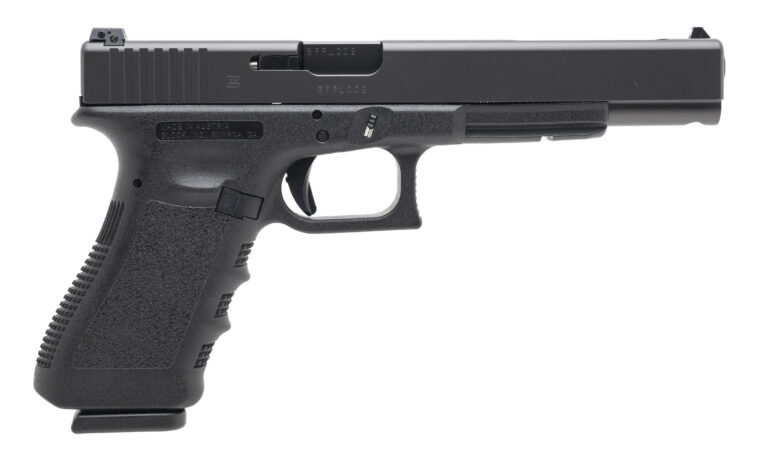
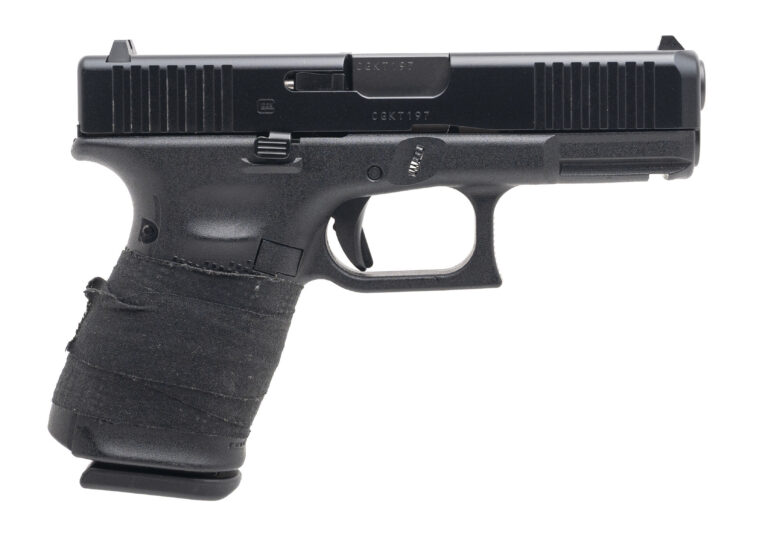
The Glock frame is a polymer shell with steel rails molded in, and the dozen parts inside it are what most owners never see. They decide whether the slide locks back, whether the magazine drops, whether the barrel cams correctly and whether the trigger works at all. This guide walks the frame from muzzle to grip, names each part, explains what it does and how it fails, and notes the generation differences that decide which one you order.
The frame and its rails
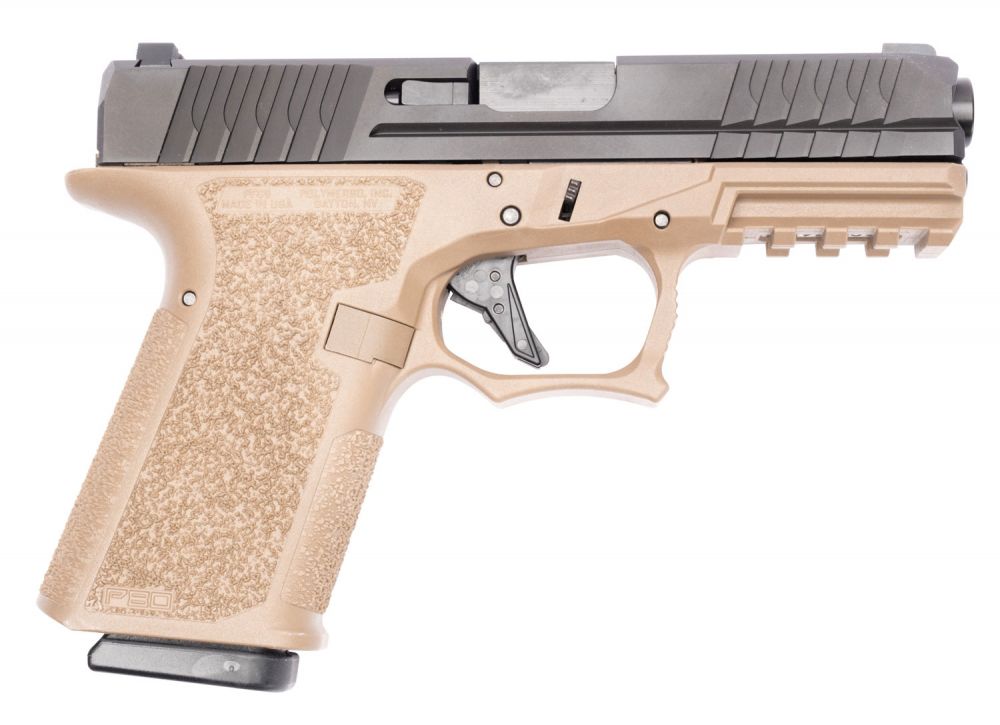
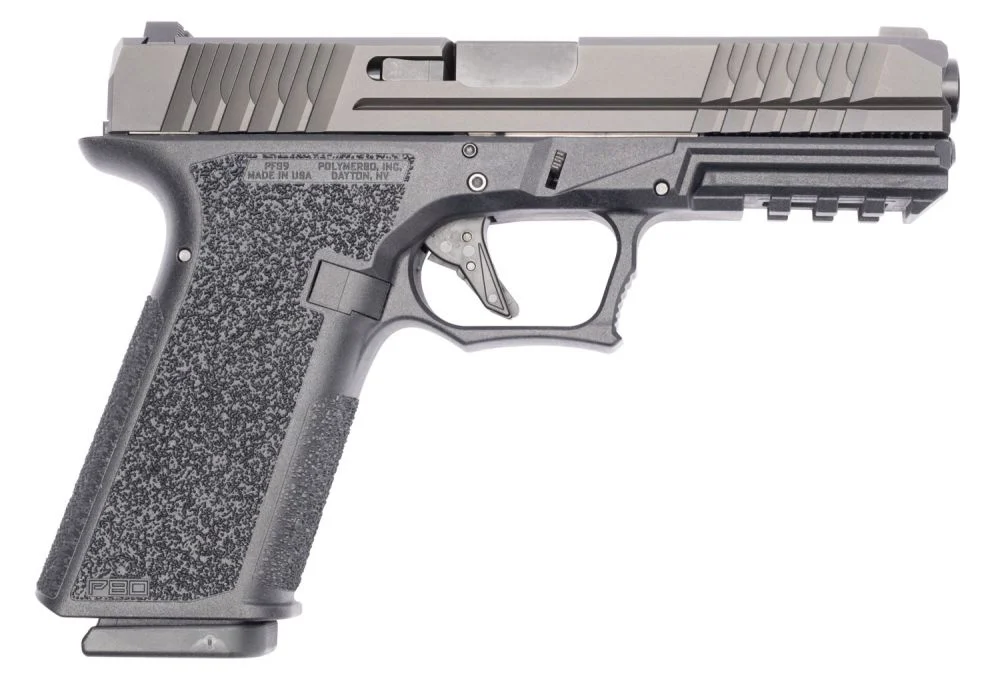
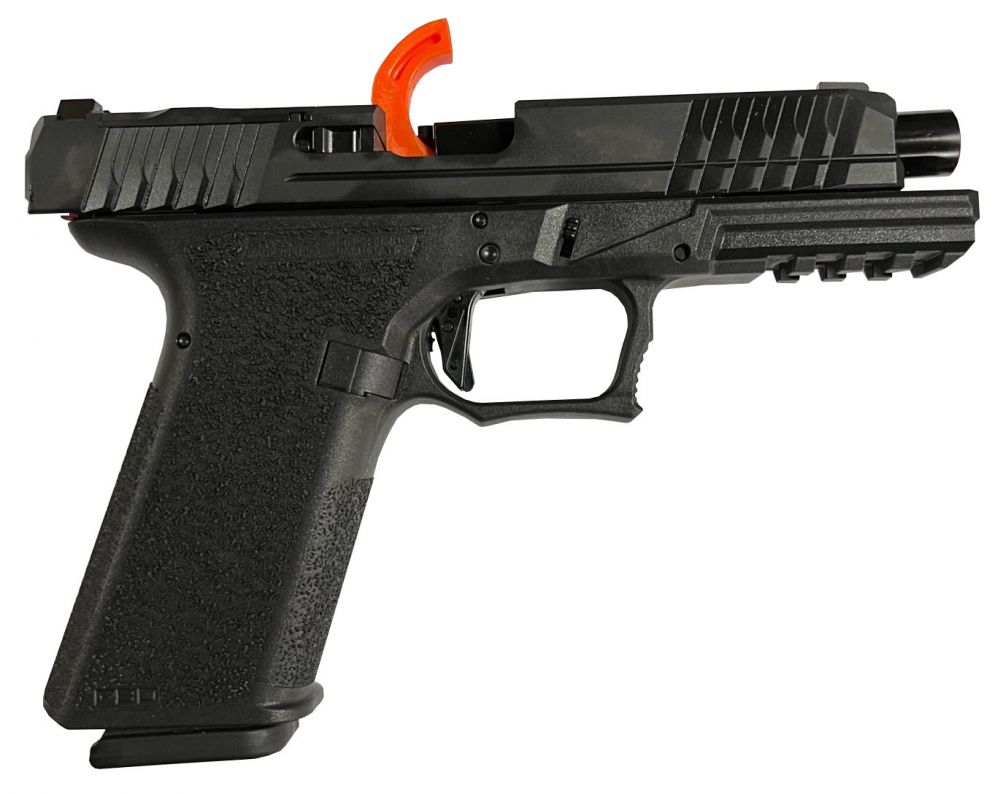
The frame is the serialized part and the only one that is legally a firearm. Four steel rail sections are molded into it, two at the front and two at the rear, and the slide rides on them. Check rails for cracks on an old pistol, especially early Gen 2 .40s; a cracked rail is a retired frame. Gen 1 and Gen 5 frames have two pins above the trigger, Gen 2 after about 1990, Gen 3 and Gen 4 have three. Gen 4 and Gen 5 frames take backstraps on a longer housing pin.
Locking block
A steel block that sits in the frame ahead of the trigger and holds the barrel's lug, camming the barrel down out of the slide's ejection port as the slide recoils. It is held by the locking block pin on three-pin frames and by the trigger pin alone on two-pin frames, so two-pin and three-pin blocks are different parts, and Gen 5 uses its own. Blocks peen slowly at the cam face over tens of thousands of rounds; a peened block gives a slide that hesitates going into battery. Replace with the factory part for the frame type.
Slide stop lever and spring
The lever on the frame's left side, ambidextrous on Gen 5, that the magazine follower pushes up on the last round to lock the slide back, and that you press to release it. Its small leaf spring hooks under the trigger pin. The lever wears at the tip that rides the follower and at the notch; a slide that stops locking back with good magazines, and no thumb on the lever, means a worn lever. Extended levers suit shooters who use it as a release and hurt shooters whose grip pins it.
Slide lock and spring
The small bar you pull down on both sides to strip the slide. Its spring is a leaf under it on Gen 1 to 4 and a coil on Gen 5. The leaf spring fatigues and breaks, which lets the slide lock drop and the slide come off the frame in your hand; replace it every few years and keep a spare. The lock itself rarely wears; an extended lock helps weak hands.
Magazine catch and spring
The button that holds the magazine, with a spring that runs in a channel in the grip. Small on Gen 1 to 3, large and reversible on Gen 4, a different reversible catch on Gen 5. The catch wears where the magazine notch rubs it and the spring weakens; magazines that drop unasked or will not drop at all point here. Reversing the catch for a left-handed shooter needs magazines with notches on both sides.
The three pins
The trigger pin holds the trigger and the slide stop lever and passes through the locking block on two-pin frames; the locking block pin sits above it on three-pin frames; the trigger housing pin holds the housing at the rear of the grip. Pins walk in a frame whose holes have loosened, and a trigger pin that walks stops the slide stop from working. Gen 4 and Gen 5 use a longer housing pin with a backstrap fitted. Stainless or titanium pins are cosmetic; factory pins are fine.
Trigger housing and ejector
The polymer block at the rear of the grip that holds the connector, gives the trigger bar's cruciform its shelf and carries the pressed-in ejector, which makes it caliber specific: 336 or 30274 for 9mm through Gen 4, 1882 or 28926 for the .40 family, 8196 for the large frame, 47021 for Gen 5 9mm. A bent ejector or a cracked pin hole means a new housing.
Trigger, trigger bar, connector and springs
The trigger shoe with its safety blade, the steel bar that reaches back to the striker, the connector that sets the pull weight and the coil trigger spring that assists the pull. Gen 1 to 4 share one bar pattern in each frame width; Gen 5 has its own. The connector crosses generations. The trigger spring is the part most likely to break on a Glock; a trigger that does not return is the sign.
Backstraps and grip parts
Gen 4 and Gen 5 ship with medium and large backstraps in plain and beavertail forms, held by the longer housing pin; the two generations' straps do not interchange. Grip plugs fill the hollow behind the magazine well and are generation specific.
Generation quick reference
- Two-pin frames, Gen 1 and Gen 5: their own locking blocks; Gen 5 its own slide stop, slide lock spring, catch, bar and housing.
- Three-pin frames, Gen 2 to 4: shared locking block, pins, trigger bar, housing and slide lock; Gen 4 its own catch and backstraps.
- Cross all generations: connector, trigger spring.
Reading a frame fault
Slide will not lock back: slide stop lever, magazine spring, or a thumb. Slide comes off in the hand: slide lock spring. Magazine drops unasked: catch spring. Trigger does not return: trigger spring. Slide hesitates into battery: locking block or recoil spring. The slide side of the pistol is in Glock slide parts, the round counts in the wear schedule, and the numbers stamped on each part in part numbers and markings. Browse frame parts; they ship to your door.
General information, not legal advice. Current as of September 2026. Laws change; check the official source before you act.